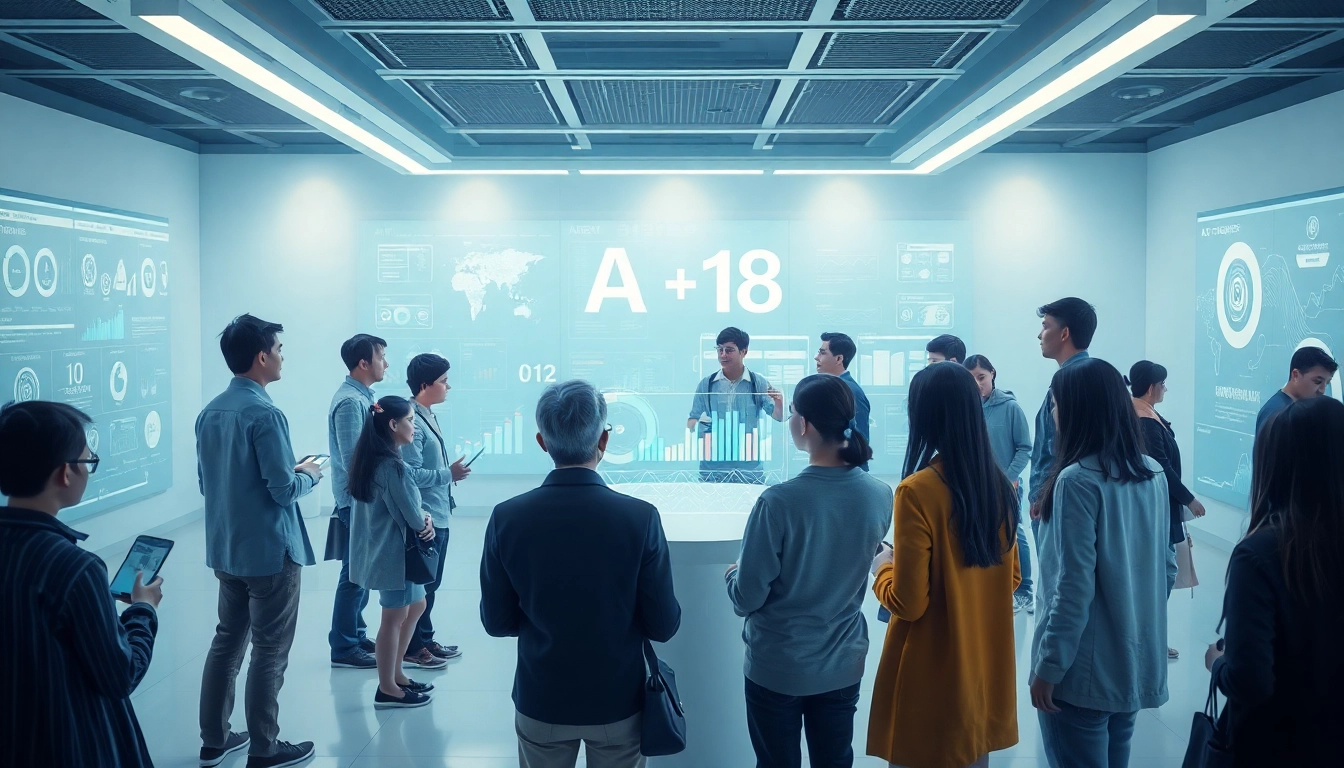
Understanding IA +18: The Future of AI Technology
The integration of artificial intelligence (AI) in various sectors continues to reshape how businesses operate and engage with consumers. As we venture deeper into 2025, understanding how the ia +18 technology evolves is crucial for organizations seeking to leverage these advancements for competitive advantage. This article explores the nuances of IA +18, its significance, and its transformative potential across multiple industries.
What is IA +18 and Its Importance in 2025?
IA +18 refers to a class of artificial intelligence technologies that prioritize interactivity and adaptability, designed to enhance user experiences and optimize operational efficiency. As businesses become increasingly reliant on data-driven decisions, IA +18 represents a paradigm shift, enabling organizations to harness complex algorithms that learn and evolve based on user interactions.
In 2025, IA +18 is expected to hold significant importance for various reasons:
- Enhanced User Experience: By understanding and anticipating user needs, IA +18 facilitates personalized experiences that drive engagement and satisfaction.
- Operational Efficiency: Through automation and predictive analytics, businesses can optimize their workflows, reducing costs and improving service delivery.
- Data-Driven Insights: IA +18 leverages massive data sets to provide actionable insights, enabling organizations to make informed strategic decisions.
Common Misconceptions About IA +18 Technology
Despite the growing adoption of IA +18 technologies, several misconceptions persist that can hinder effective implementation:
- AI is Fully Autonomous: Many believe AI can operate independently without human oversight. In reality, successful implementation requires ongoing human involvement to refine algorithms and ensure relevance.
- IA +18 is Only for Large Enterprises: While large companies may have more resources, small and medium-sized enterprises (SMEs) can also benefit significantly from adopting IA +18 technologies tailored to their operations.
- AI Replaces Human Jobs: Rather than simply replacing positions, IA +18 is designed to augment human capabilities, allowing employees to focus on higher-level strategic tasks.
The Evolution of AI Technologies in Recent Years
The past decade has witnessed remarkable advancements in artificial intelligence, driven by innovations in machine learning, natural language processing, and data analytics. These developments have laid the groundwork for IA +18 technologies, which enhance existing capabilities and introduce new functionalities, such as:
- Natural Language Processing (NLP): NLP technologies allow IA +18 systems to understand and respond to human communication in a more intuitive manner.
- Machine Learning (ML): Continuous learning algorithms enable IA +18 to adapt their responses based on user interactions and environmental changes.
- Conversational AI: These systems create more engaging and human-like interactions, making applications more effective in customer service and user engagement.
Implementing IA +18 Solutions in Business
Successfully implementing IA +18 solutions requires a strategic approach tailored to the unique needs and capabilities of each organization. Here are some essential steps to guide businesses through the integration process:
Steps to Integrate IA +18 into Your Operations
- Assess Your Current Infrastructure: Evaluate existing technologies and determine how they can integrate with IA +18 solutions.
- Define Objectives: Clearly identify what you aim to achieve with IA +18, whether it's improved customer engagement or optimized workflows.
- Choose the Right Tools: Select technologies that align with your objectives and organizational culture, considering both user experience and data security.
- Train Your Team: Provide comprehensive training for your staff to ensure they understand how to leverage IA +18 tools effectively.
- Monitor and Adjust: Implement a feedback loop to continuously assess performance and make necessary adjustments based on user feedback and data analytics.
Challenges Faced During Implementation and How to Overcome Them
The road to implementing IA +18 technologies is fraught with challenges. Understanding these obstacles allows organizations to devise effective strategies to address them:
- Data Privacy Concerns: Ensuring user data security is paramount. Businesses must comply with regulations and implement robust cybersecurity measures.
- Resistance to Change: Employees may resist new technologies. Encouraging a culture of innovation and involving teams in the transition can mitigate resistance.
- Quality of Data: The effectiveness of IA +18 depends on high-quality data. Organizations should prioritize data cleansing and integrity measures before implementation.
Real-World Case Studies Demonstrating Effective Use of IA +18
Several organizations have successfully implemented IA +18 solutions, demonstrating tangible benefits:
- Retail Sector: A large retail chain utilized IA +18 for personalized marketing campaigns, analyzing customer purchase history and preferences to create targeted promotions that increased conversion rates by 25%.
- Healthcare Industry: A healthcare provider adopted IA +18 for patient engagement, resulting in improved appointment scheduling and higher patient satisfaction scores.
- Financial Services: A banking institution employed IA +18 to enhance fraud detection, utilizing machine learning algorithms to identify unusual patterns and minimize losses significantly.
The Impact of IA +18 on Consumer Behavior
As IA +18 technologies evolve, their influence on consumer behavior becomes more pronounced. Understanding this impact helps businesses refine their strategies to align with shifting consumer expectations.
Understanding User Intent with IA +18 Applications
IA +18 technologies excel in understanding and anticipating user intent, thus enabling a more tailored experience. By analyzing behavior patterns and preferences, these technologies provide insights that can significantly enhance customer interactions.
How IA +18 Enhances User Engagement and Satisfaction
Through personalization and real-time responsiveness, IA +18 applications foster greater user engagement. Consumers are more likely to connect with brands that recognize and address their unique needs, leading to increased loyalty and satisfaction.
Future Trends: Consumer Adaptation to IA +18
As consumers become more accustomed to IA +18 technologies, they will expect brands to innovate continually. Staying ahead of these trends involves understanding emerging consumer behaviors and adapting strategies accordingly, such as:
- Increased Demand for Personalization: Consumers will seek more tailored experiences that reflect their individual preferences.
- Preference for Conversational Interfaces: As conversational AI becomes more sophisticated, consumers will favor brands that offer seamless interactions.
- Expectation of Immediate Responses: The demand for instant gratification will push brands to improve the speed of service delivery through automation and AI integration.
Best Practices for Maximizing IA +18 Efficiency
To ensure the success of IA +18 implementations, businesses should adhere to best practices that maximize efficiency and effectiveness.
Key Strategies for Successful IA +18 Implementation
- Foster a Culture of Innovation: Encourage experimentation and agile methodologies to adapt to new technologies swiftly.
- Invest in Continuous Training: Keep teams updated on advancements in IA +18 to ensure they leverage tools effectively.
- Build Strong Vendor Relationships: Collaborate closely with technology providers to stay informed about updates and best practices.
Performance Metrics to Track IA +18 Success
Tracking the performance of IA +18 initiatives is vital. Key performance indicators (KPIs) to consider include:
- User Engagement Rates: Monitor how users interact with IA +18 applications to gauge their effectiveness.
- Conversion Rates: Assess the impact of IA +18 on driving sales and achieving business objectives.
- Customer Satisfaction Scores: Regularly evaluate customer feedback to determine satisfaction and areas for improvement.
Innovative Techniques to Improve IA +18 User Experience
Enhancing user experience is paramount in maximizing the effectiveness of IA +18 technologies. Consider these innovative techniques:
- Personalized Dashboards: Create user interfaces that adapt based on individual user behavior and preferences.
- Proactive Communication: Utilize predictive analytics to anticipate user needs and initiate interactions before issues arise.
- Gamification Elements: Incorporate game-like features to engage users and encourage interaction with IA +18 applications.
Looking Forward: The Future of IA +18 in 2025
The trajectory of IA +18 technologies is poised for remarkable growth, with several emerging trends and innovations shaping the landscape.
Emerging Technologies and Their Relationship with IA +18
Technologies such as blockchain, augmented reality (AR), and the Internet of Things (IoT) are expected to converge with IA +18, enhancing capabilities and opening new avenues for innovation. For instance, integrating blockchain can improve data security and traceability, while AR can provide immersive user experiences.
Expert Insights on the Next Steps for Businesses
Industry experts emphasize the necessity for businesses to remain agile and adaptable as they integrate IA +18 solutions. Companies are encouraged to foster partnerships that facilitate knowledge sharing and collaboration to stay at the forefront of AI advancements.
Preparing for a Future Dominated by IA +18 Innovations
To thrive in the evolving landscape of IA +18, organizations must prioritize continuous improvement and innovation. This includes investing in research and development, staying informed of industry trends, and actively seeking feedback from users to enhance offerings.