Understanding Auto Window Tint
What is Auto Window Tint?
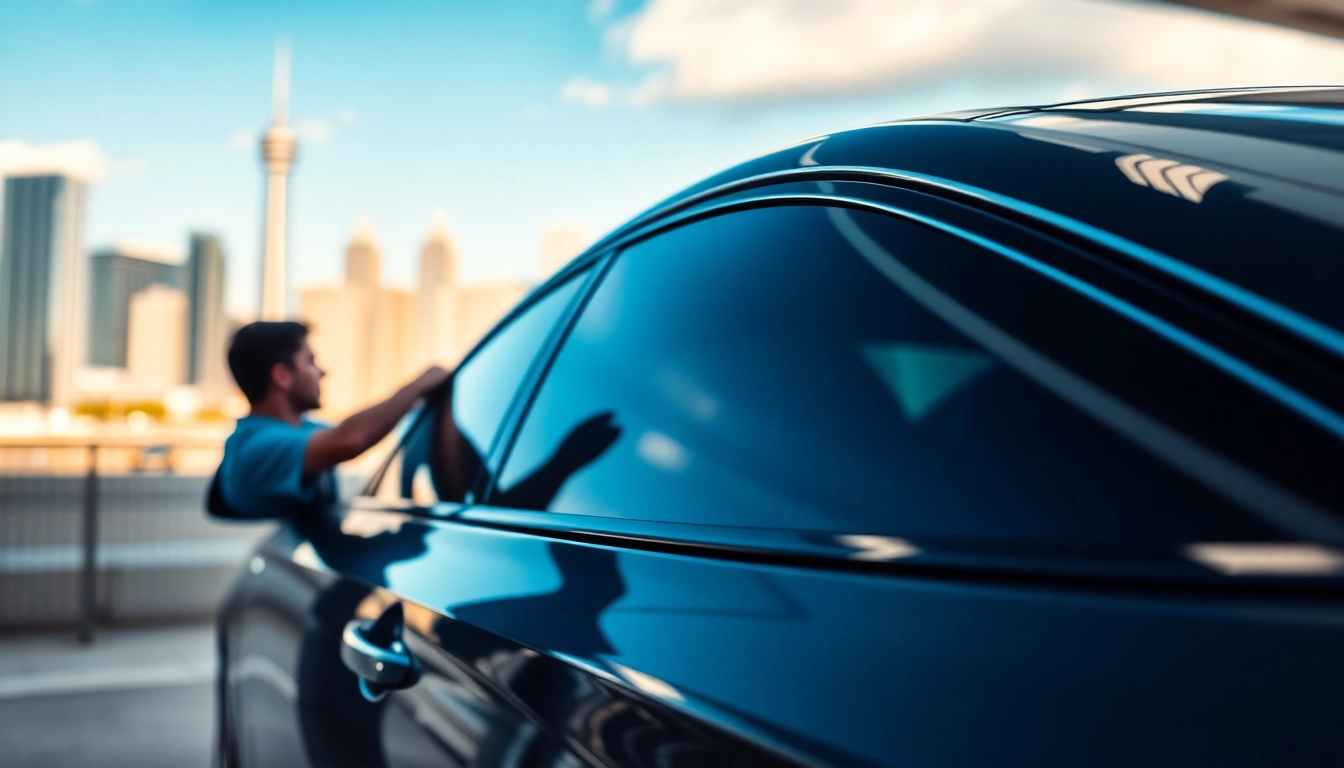
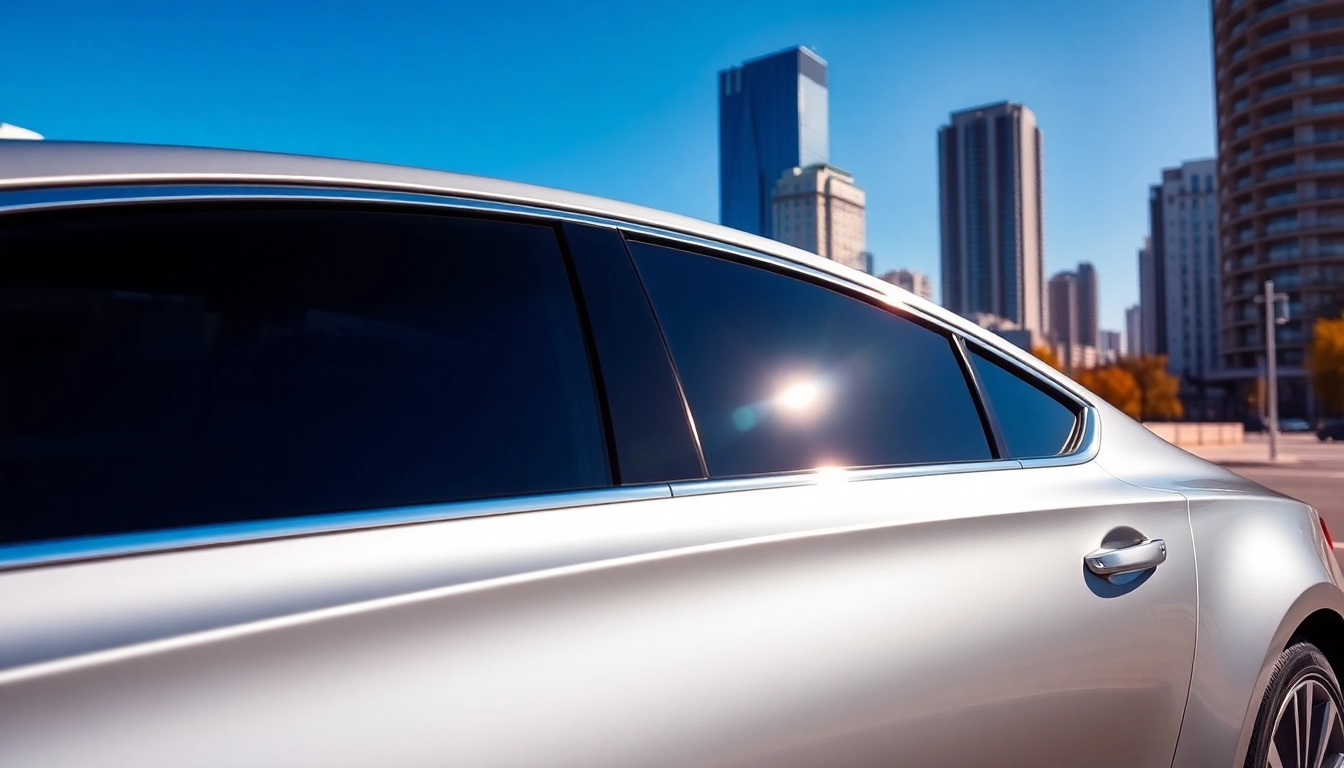
Auto window tint is a thin film applied to the windows of a vehicle to enhance privacy, reduce glare, and provide UV protection. This film can be made from various materials, including polyester, and comes in varying degrees of darkness, known as VLT (Visible Light Transmission). The main purpose of tinting is not just aesthetics but also to improve the overall driving experience by regulating temperature and visibility.
Benefits of Auto Window Tint Near Me
Choosing auto window tint near me offers several benefits that can significantly enhance your vehicle and driving experience:
- Heat Reduction: Tinted windows can reduce heat buildup inside the vehicle, making it more comfortable on hot days.
- UV Protection: Auto window tint blocks a significant percentage of harmful UV rays, protecting passengers and interior surfaces from fading.
- Enhanced Privacy: Window tinting provides an added layer of privacy, keeping the contents of your vehicle out of sight.
- Glare Reduction: Driving with tinted windows minimizes glare from the sun and headlights, enhancing overall visibility and safety.
- Improved Aesthetics: Tinted windows can give a sleek look to any vehicle, enhancing its visual appeal.
How Window Tint Works
Window tint works primarily by absorbing and reflecting solar energy. When sunlight hits the tinted film, it either reflects off the surface or passes through and is absorbed. The amount of light that passes through depends on the film’s VLT, while the material’s composition determines how effectively it blocks heat and UV rays. This process not only helps maintain a comfortable temperature inside the vehicle but also reduces the strain on air conditioning systems, ultimately improving fuel efficiency.
Types of Window Tinting Films
Dyed Window Tint
Dyed window tint consists of a layer of dye sandwiched between an adhesive layer and a protective top layer. This type of film primarily works to block sunlight and reduce glare while providing privacy. While it can fade over time, dyed window tint is often favored for its affordability and ease of installation, making it a popular choice among car owners.
Metalized Window Tint
Metalized window tint contains tiny metal particles that reflect heat away from the vehicle while maintaining visibility. This type of tint is known for its durability and enhanced UV protection. Additionally, it adds strength to the glass, making it more resistant to shattering. However, the metallic particles can interfere with radio signals, which could be a downside for some users.
Ceramic Window Tint
Ceramic window tint is a premium option that uses ceramic particles instead of metals or dyes. This film effectively blocks heat and UV rays without compromising on visibility. It is also more durable and resistant to scratches than other types of tint. Although it comes at a higher price point, many consider the benefits, including enhanced comfort and longevity, to be worth the investment.
Choosing the Right Auto Window Tint Near Me
Factors to Consider
When selecting the right auto window tint, consider several factors:
- Legality: Ensure the tint meets local regulations regarding VLT percentages.
- Climate: Think about the climate in your area and the amount of sun exposure your vehicle receives.
- Budget: Determine how much you are willing to spend. Premium options may offer more benefits but come at a higher cost.
- Personal Preference: Decide on the style and level of darkness you prefer for your vehicle.
Finding a Trusted Installer
Finding a reliable installer is crucial for ensuring quality application. Look for reviews and recommendations from other customers, and check their prior work to evaluate craftsmanship. A reputable installer will also be knowledgeable about local tinting regulations and offer warranties on their work. It’s advisable to seek out local professionals to ensure convenience and support the community.
Cost Considerations
The cost of auto window tint can vary widely based on several factors, including the type of film, the size of the vehicle, and the complexity of the installation. On average, prices can range from $200 to $600. Investing in quality film and professional installation can save you money on replacements and repairs in the long run.
Legal Regulations for Window Tinting
Understanding Local Tinting Laws
Before applying window tint, it is essential to understand local tinting laws as they vary by state and locality. Maximum allowable VLT percentages can differ significantly, and some regions may restrict the application of certain types of films altogether. Researching these laws will help you avoid fines and ensure compliance.
How to Check Compliance
You can verify compliance by checking local DMV websites or consulting with professional installers who stay updated on legal requirements. Many states provide guidelines on acceptable tint levels and the specific windows on which you can apply tint. Always ensure your setup adheres to these regulations to avoid penalties.
Potential Penalties for Violations
Failing to comply with window tint regulations can result in fines, mandatory removal of tint, and potential issues during vehicle inspections. These penalties can be costly both financially and temporally, as violating tint laws could require you to seek a professional’s help for removal and reapplication.
Maintenance and Care for Auto Window Tint
Cleaning Tips for Tinted Windows
Proper maintenance of tinted windows is vital for ensuring longevity and appearance. Use a soft microfiber cloth and a gentle, ammonia-free cleaner to avoid damaging the film. Avoid abrasive materials that could scratch the surface of the tint. Regular cleaning helps prevent residue buildup that could impair visibility.
Common Issues and Solutions
Common problems with window tint include bubbling, peeling, and discoloration. If you notice bubbles, they may disappear as the film settles. If not, seek professional help. Peeling edges can often be re-adhered with proper techniques, but severe damage may necessitate replacement. Discoloration is common in lower-quality films and can signal the need for a new application.
When to Re-tint Your Windows
Re-tinting may be necessary every 5 to 10 years, depending on the quality of the film and care. Signs you need to re-tint include significant fading, bubbling, or damage that impairs functionality. Regular inspections can help determine the film’s lifecycle and ensure you maintain optimal performance.
FAQs about Auto Window Tint
FAQ 1: What is the average cost of auto window tint near me?
Answer: The average cost for auto window tint varies, typically ranging from $200 to $600 depending on the type and size of the vehicle.
FAQ 2: How long does auto window tinting last?
Answer: Quality auto window tint can last anywhere from 5 to 10 years, depending on factors like usage and maintenance.
FAQ 3: Does window tinting reduce heat in the car?
Answer: Yes, window tinting can significantly reduce heat, keeping your vehicle cooler and enhancing comfort.
FAQ 4: Can window tint affect visibility at night?
Answer: High-quality window tints are designed to minimize glare and maintain visibility both during the day and at night.
FAQ 5: Is professional installation necessary for window tint?
Answer: While DIY kits exist, professional installation ensures perfect application, avoiding bubbles and ensuring compliance with local laws.